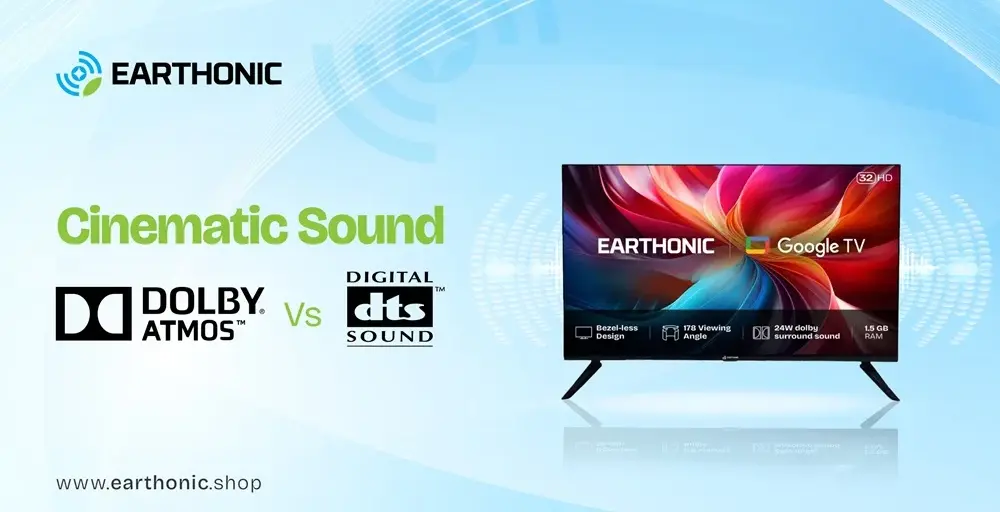
You’ve invested in a stunning 4K TV. The visuals are breathtaking. But when the dialogue in your favourite Bollywood masala sounds muffled, or the background score in a Bollywood epic overpowers the action, something feels off. That’s because what you see is only half the story.
For the Indian viewer, content consumption is diverse, from dialogue-heavy family dramas and music-centric regional films to high-octane cricket matches and immersive OTT originals. The audio format your TV supports determines whether you’re simply watching or truly experiencing systems.
Both promise a surround sound experience, but they achieve it differently. So, which one delivers the superior home theatre experience for Indian audiences? Let’s break it down.
Understanding the Audio Codecs
Before diving into the comparison, it’s essential to understand what these audio codecs actually do. Traditional surround sound (like 5.1 or 7.1) works with channels, specific speakers assigned to specific sounds. Dolby Atmos and DTS:X (the immersive counterpart to standard DTS) move beyond channels. They use object-based audio, where sound can move freely in a three-dimensional space, making it feel like a helicopter is flying over you or rain is falling around you.
| Feature | Dolby Atmos | DTS (DTS:X / DTS Virtual:X) |
| Core Technology | Object-based audio with height channels | Object-based audio focuses on virtual height and immersion |
| Speaker Configuration | Works best with dedicated upward-firing or ceiling speakers | Optimized for soundbars and standard speaker layouts using virtual processing |
| Primary Strength | Precision in overhead effects and subtle ambient details | Dialogue clarity and robust, dynamic bass response |
| Content Availability | Widely available on Netflix, Prime Video, Disney+ Hotstar, and Apple TV | Common on Blu-ray discs; growing presence on OTT platforms like Sony LIV and select international content |
Dolby Atmos vs DTS: A Detailed Breakdown for Indian Content
To determine the best sound technology TV for Indian households, we need to evaluate these formats across the three pillars of local content: cinema, music, and sports.
1. Dialogue Clarity (Crucial for Indian Cinema)
Indian cinema, whether Hindi, Tamil, Telugu, or Bengali, relies heavily on dialogue. A quiet, emotionally charged scene can be ruined if the voices are muddled.
- Dolby Atmos: Atmos tends to prioritize the sound mix as intended by the studio. While excellent in high-end setups, on standard TV speakers, the dialogue can sometimes get lost in the ambient effects if the mix isn’t optimized.
- DTS: Standard DTS codecs are known for their strong center channel emphasis. For a typical soundbar or built-in TV speakers, DTS often delivers crisper, more intelligible dialogue right out of the box. This makes it a strong contender for family dramas and news content.
Stat to Note: A consumer survey by a leading AV publication noted that 62% of viewers consider dialogue clarity more important than bass or surround effects for daily TV viewing. For Indian content, where lyrical dialogues are central, this is a critical factor.
2. Music & Song Sequences
A Bollywood or Tollywood film isn’t complete without its musical numbers. The audio format determines how rich and immersive those sequences feel.
- Dolby Atmos: This format excels in spreading the orchestra, backing vocals, and instruments across a wide soundstage. If a song has layers, Atmos separates them beautifully, creating a concert-like feel.
- DTS: DTS provides a punchier, more dynamic low-end. For bass-heavy tracks or fast-paced item numbers, DTS can feel more energetic and engaging.
3. Sports & Live Events
Cricket is practically a religion in India. The roar of the crowd, the crack of the bat, and the commentary need to feel immediate.
- Dolby Atmos: Atmos can create an incredibly immersive stadium atmosphere, making you feel like you’re in the stands. However, this requires a proper setup to truly appreciate.
- DTS: DTS Virtual:X technology is particularly effective at simulating a surround experience without needing ceiling speakers. For live sports, this virtual height can make the crowd noise feel larger-than-life, even through a standard soundbar.
Which TV Audio Format Wins for OTT Sound Quality?
The battle often comes down to OTT sound quality. Here’s where the ecosystem plays a massive role.
- Dolby Atmos is the undisputed king of streaming. Major platforms like Netflix, Amazon Prime Video, and Disney+ Hotstar heavily favour Atmos. If your primary content consumption is through these apps, a TV that supports Dolby Atmos will automatically unlock the best available audio track for most new releases.
- DTS, while technically superior on physical media (Blu-ray), has a smaller footprint on Indian streaming services. However, platforms like Sony LIV and certain international content libraries do support DTS formats.
The Earthonic Advantage: Experience the Best of Both Worlds
When choosing a TV, you shouldn’t have to compromise. The Dolby vs DTS difference is not about which is universally better, but which fits your viewing habits. Earthonic smart TVs are engineered to deliver exceptional cinematic sound without forcing you to pick sides.
For the ultimate immersive experience, the Earthonic 75″ 4K UHD Smart LED TV is equipped with Dolby Atmos Ultra Surround, delivering a multidimensional sound experience that puts you right in the middle of the action. Whether it’s the subtle rustle of leaves in a nature documentary or the explosive VFX in a superhero film, the 4K 120Hz display combined with Dolby Atmos ensures every frame and every sound is precisely where it should be.
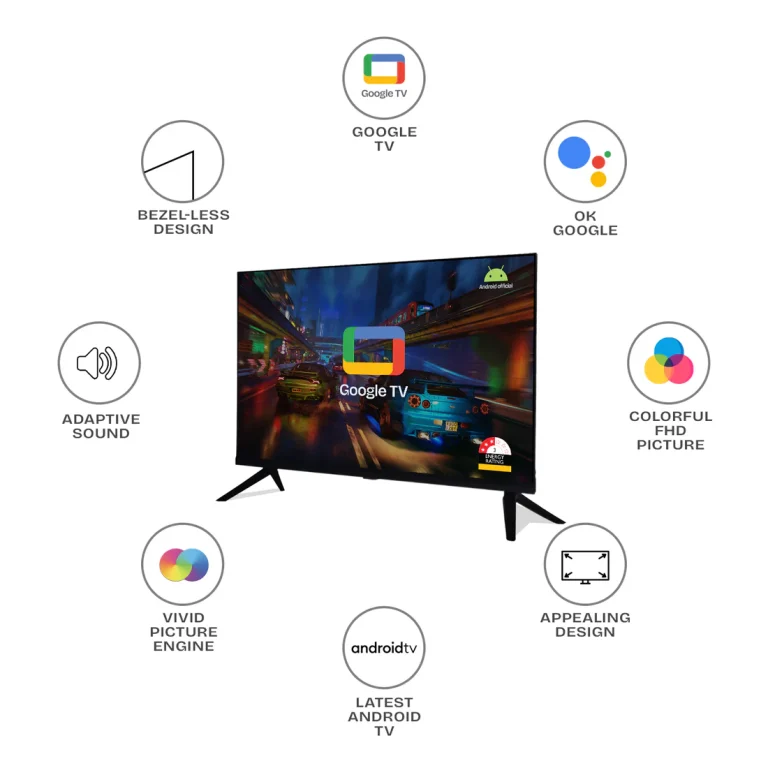
If you’re looking for a versatile option that balances stunning visuals with crystal-clear audio, the Earthonic 65″ Ultra HD Smart LED TV and Earthonic 55″ 4K UHD Smart LED TV both feature Dolby Audio, ensuring rich, cinematic sound with exceptional clarity for all your favourite Indian content, from regional cinema to live sports.
Bring Cinema Home with Earthonic 65″ 4K TV
Enjoy stunning visuals and crystal-clear Dolby Audio.
The Verdict: What Should You Choose?
If your viewing habits revolve around streaming OTT content (Netflix, Prime, Hotstar), Dolby Atmos is the clear winner. Its widespread adoption across Indian and international platforms makes it the most future-proof choice.
However, if you are a physical media enthusiast (Blu-ray collector) or prioritize dialogue clarity and punchy bass for sports and music, a TV with robust DTS processing, like those with DTS Virtual:X, will serve you well.
Ultimately, the best sound technology TV for Indian content is one that offers robust support for both formats, ensuring you’re ready for whatever you choose to watch.
Ready to Upgrade Your Home Theatre Experience?
Explore More Smart TV Insights
Choosing the right TV involves more than just audio formats. Dive deeper into our resources to make a fully informed decision:
[Best Smart 50-Inch TV in India]
A focused look at the ideal size for compact living rooms and bedrooms.-changer, ensuring reliable, high-speed network access when Wi-Fi fails.
[Discover the Full Benefits of 4K Smart TVs]
Learn why upgrading to 4K transforms your viewing experience.
[Essential Smart TV Buying Tips]
A practical guide to choosing the perfect TV for your space and needs.